
Login

Mind-Body Tools for After School

Lorem ipsum dolor sit amet, consectetur adipiscing elit, sed do eiusmod tempor incididunt ut labore et dolore magna aliqua.

afterschool

Calming Techniques for After-School Meltdowns

The school day demands a lot from children—attention, cooperation, social interaction, and self-control. By the time they return home, many kids are emotionally drained, and it’s not uncommon for the smallest frustration to tip them into tears or anger. These after-school meltdowns are a natural release of stored-up stress, but they can be challenging for parents to navigate.

The key to supporting children in these moments is to create a soft landing. Start by offering a snack and hydration; low energy and blood sugar often amplify irritability. Rather than launching immediately into homework or chores, provide a transition activity. Quiet time with a book, listening to music, or simply having space to rest can help children recalibrate.

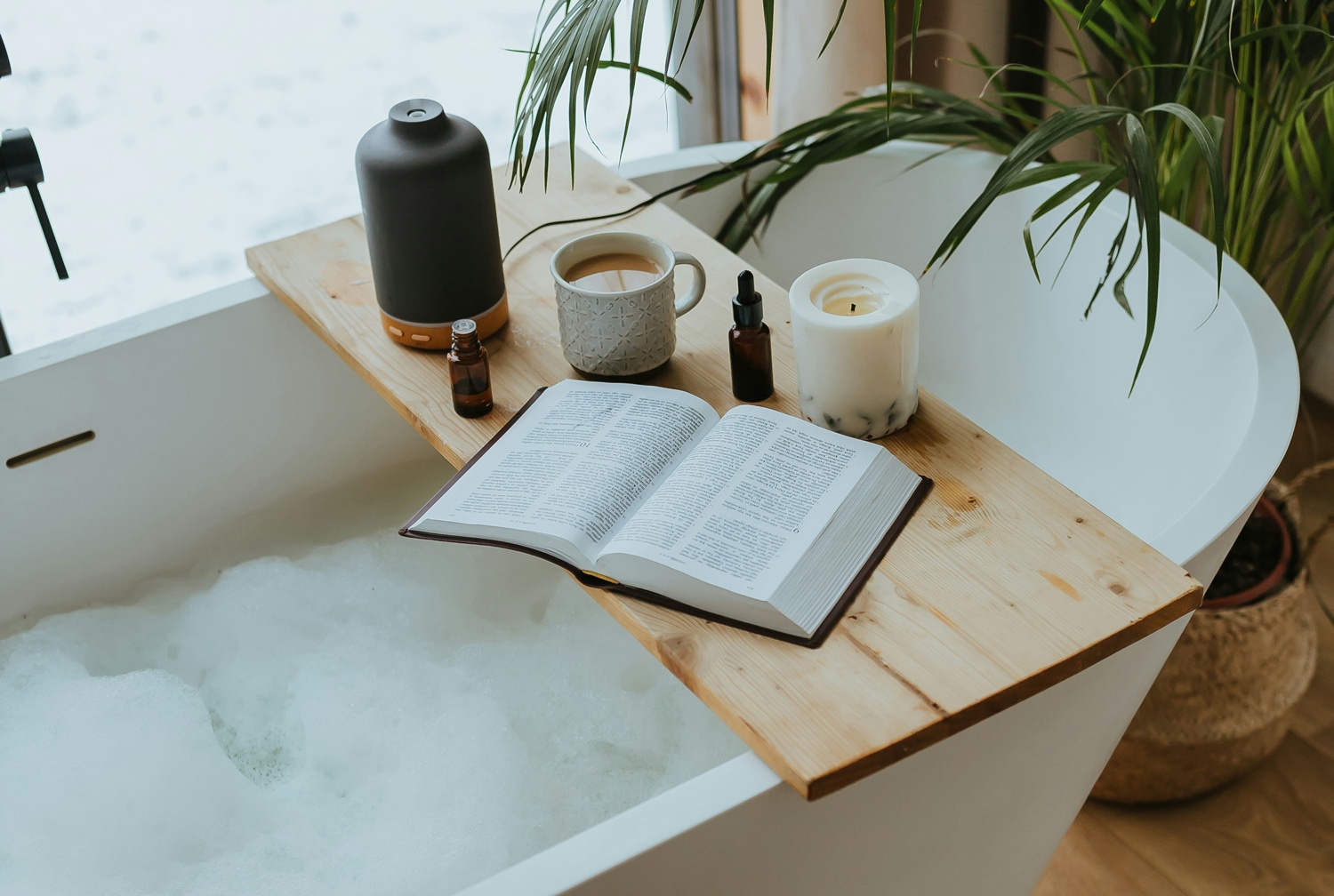
Movement is another powerful stress-reliever. Physical play outside, stretching, or even a walk together gives kids a healthy outlet for the tension they’ve been holding all day. Some families find that creating a calming ritual—such as lighting a candle, playing soft music, or practicing a short mindfulness exercise—signals to children that they are safe and can let their guard down.

Equally important is maintaining a calm presence as a parent. Meeting meltdowns with empathy (“I see you’ve had a tough day”) rather than correction helps children feel understood. Over time, this models self-regulation and shows kids that big feelings can be managed.

By recognizing after-school meltdowns as a release rather than misbehavior, parents can approach them with compassion and practical strategies. With consistent routines and gentle support, children learn to transition more smoothly from school demands to the safety of home, ending the day on a calmer note.


Lorem ipsum dolor sit

Lorem ipsum dolor sit amet, consectetur adipiscing elit, sed do eiusmod tempor incididunt ut labore et dolore magna aliqua. Ut enim ad minim veniam, quis nostrud exercitation

Burnout Doesn’t Always Look Like Collapse — Sometimes It Looks Like Pushing Through

Burnout is often misunderstood.

It’s not always lying in bed unable to move (though it can be).
Sometimes burnout looks like:

  • functioning on the outside but feeling empty inside
  • losing joy in things that used to matter
  • feeling numb, cynical, or constantly behind
  • needing more effort for basic tasks
  • craving rest but not knowing how to stop

Burnout isn’t laziness.
It’s the cost of carrying too much for too long without enough recovery.

A Gentle Reframe

Burnout is not a sign that you aren’t strong enough.

It’s often a sign you’ve been strong for too long without support.

Burnout Recovery Starts Small

Instead of asking: “How do I get back to productivity?”
Try asking: “What would help me feel more like myself?”

Some starting points:

  • Letting rest be allowed, not earned
  • Creating one boundary this week
  • Reaching out instead of isolating
  • Naming what feels unsustainable

Healing from burnout is not about forcing a comeback.

It’s about returning to yourself with compassion.

Therapy can help you explore the deeper patterns underneath burnout — perfectionism, trauma responses, people-pleasing, chronic stress — and support you in building a life that feels more sustainable.

Calming the Nervous System: 5 Grounding Practices You Can Try This Week

When you’re anxious, overwhelmed, or emotionally flooded, your nervous system may be stuck in “fight or flight.”

The goal isn’t to eliminate stress completely — it’s to help your body come back into a sense of safety and balance.

Here are five gentle ways to support regulation:

1. Longer Exhales

Breathing out slowly activates the body’s calming response.

Try:
Inhale for 4… exhale for 6.
Repeat 3 times.

2. Orienting

Look around the room and name:

  • 5 things you can see
  • 4 things you can feel
  • 3 things you can hear

This tells your brain: “I am here, and I am safe enough in this moment.”

3. Temperature Reset

Cold water on your face or holding a cool drink can help interrupt anxiety spirals.

It’s simple — and surprisingly effective.

4. Gentle Movement

Stress gets stored in the body.

A slow walk, stretching, rocking, or shaking out your hands can help your system release tension.

5. Connection

Nervous systems regulate through safe relationships.

Text a trusted person. Sit near someone. Let yourself be reminded:
You don’t have to do this alone.

Calming doesn’t mean everything is fixed.
It means giving your body a moment of relief.

And if your stress feels persistent or too heavy, therapy can help you understand your nervous system, develop tools that work for you, and create space to feel supported.

When Stress Becomes Too Much: Your Nervous System Isn’t Failing — It’s Protecting You

Stress isn’t just something you think about — it’s something your body experiences.

If you’ve been feeling on edge, exhausted, overwhelmed, or emotionally numb, it may not be because you’re doing something wrong. It may be because your nervous system has been working overtime trying to protect you.

When life moves too fast for too long, your body can get stuck in survival mode:

  • racing thoughts
  • irritability
  • fatigue that doesn’t go away with rest
  • trouble sleeping
  • feeling disconnected or shut down

These are not personal failures. They are signs your system needs support.

What Helps

The first step is often not “fixing” yourself — it’s listening.

Try asking gently:
What has my body been carrying that my mind has pushed through?

Small moments of regulation can help signal safety to your nervous system:

  • placing a hand over your chest and slowing your breath
  • stepping outside for even 2 minutes of fresh air
  • reducing one demand instead of adding more pressure

Stress recovery isn’t about doing more.
It’s about creating space to feel human again.

If this resonates, therapy can be a place to slow down, understand what’s happening beneath the surface, and begin restoring steadiness from the inside out.